Brewing a Better Tomorrow: How Nepal Tea Collective Found Alignment Through B Corp Certification
May 11, 2026
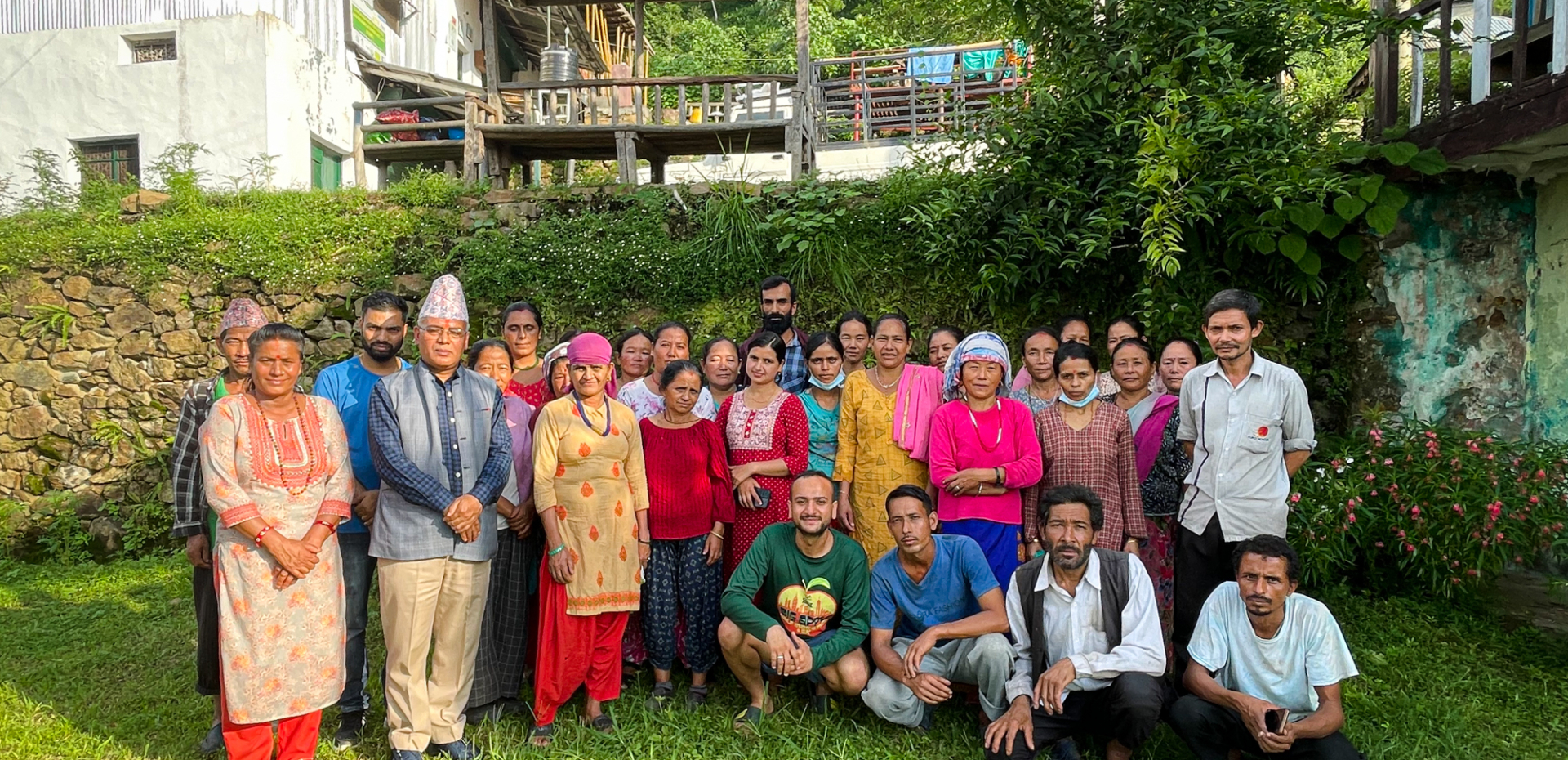
At Nepal Tea Collective, impact has never been separate from business. It is the business. Founded in 2016 by Nishchal Banskota, the company was built with an ambitious mission: to uplift one million farmers out of poverty by 2050 while establishing a global identity for Nepali tea. What began as a tea company quickly evolved into something larger. It became a social enterprise rooted in transparent trade, environmental stewardship, and shared prosperity for tea-growing communities across Nepal.
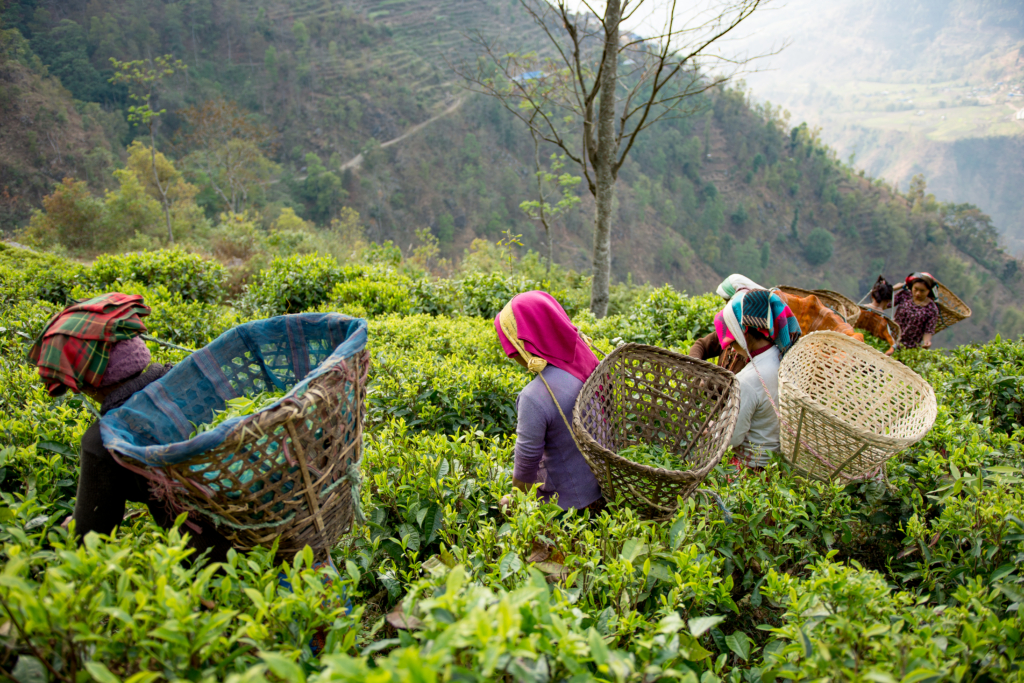
For generations, Nepal’s tea farmers have faced systemic barriers to global markets due to the country’s landlocked geography and limited trade infrastructure. Nepal Tea Collective was created to help change that reality by connecting conscious consumers directly to farmers while reinvesting in the communities that make the tea possible.
Today, the company reinvests 1% of its revenue directly into tea-growing communities while also supporting scholarships for farmers’ children, leadership and skill-building opportunities for women in tea, sustainable tea tourism initiatives, and radical transparency systems that allow customers to trace their tea from planting to packaging through QR codes on every product.
But even as impact remained central to the company’s mission, the team began confronting an uncomfortable truth: that being impact-first does not automatically mean a company is measuring its impact well.
“We had the passion, and we had the purpose,” explains Banskota. “What we didn’t always have was a shared language. As we grew, I realized that impact can’t just live in the founder’s head or in an annual report; it has to live in every conversation, every department, every decision. That’s a much harder thing to build than a product.”
Financial reporting comes with established systems, standardized language, and universally accepted frameworks. Impact measurement is far more complicated. Human outcomes are nuanced. Social progress is difficult to quantify. And numbers alone rarely capture the full story.
Unbeholden to any formal standards, the team recognized that they could publish metrics and move on. But they wanted to go deeper. They wanted to challenge their own assumptions, question what the numbers actually represented, and ensure that what they communicated publicly reflected honest, thoughtful accountability rather than simplified storytelling.
When Impact and Alignment Drift Apart
As Nepal Tea Collective transitioned into a Public Benefit Corporation several years ago, the company began building a public-facing impact report that it could release annually, demonstrating the company’s long-term commitment to transparency and accountability.
The initiative reflected the B Lab Standards V2 requirement for companies with more than 249 employees (or >$75 million in annual revenue) to furnish regular impact reports, starting in their third year of B Corp Certification. As detailed in the Purpose & Stakeholder Governance (PSG) Impact Topic requirement PSG6: “At minimum once a year, the company must publish a social and environmental performance report, approved by its highest governing body, and make it accessible to all stakeholders.”
While Nepal Tea Collective was not yet beholden to these requirements, they knew that creating such a report would reinforce their mission and build healthy internal processes while promoting honest and open public communication.
To kick off the project, an intern from Brown University worked alongside company co-founder Amigo to develop an early impact model and Theory of Change framework. These were designed to help the company begin measuring its social and environmental outcomes more intentionally. It was an important milestone. But as the organization expanded, alignment became more difficult.
New employees joined the company with varying levels of familiarity around the organization’s impact goals and reporting practices. Different departments interpreted metrics differently. Teams often used the same language to mean entirely different things. Some focused on outputs, while others emphasized long-term outcomes. Without a shared framework, confusion started replacing clarity.

Ironically, while compiling the company’s 2025 impact report, the team realized that the more data they gathered, the less aligned they sometimes felt internally. The challenge was not a lack of commitment. It was a lack of shared structure.
To help address this gap, Nepal Tea Collective established an internal “Impact Club” designed to create shared ownership around the company’s impact goals. Rather than limiting impact conversations to leadership or annual reporting cycles, the initiative invited employees across departments into the process.
The goal was simple but important: getting everyone on the same page. It ensured that impact was not just something the company reported once a year, but something that was actively understood, discussed, and shaped collectively by the entire organization.
“What I love most about the Impact Club is that it makes impact feel real and personal, not just a concept the company talks about,” says member Barsha. “It reminds me that beyond our everyday responsibilities, the little things we do and the values we carry can genuinely create a positive difference, even in ways we may not always see immediately.”
Still, the team recognized they needed a more robust framework, a shared vocabulary, and standardized processes that could scale with the company as it continued to grow. That opportunity arrived through B Corp Certification.
Enter B Corp Certification
When Nepal Tea Collective first began exploring B Corp Certification, many employees had never heard it before. Rather than introducing it as a compliance requirement or leadership initiative, Nepal Tea Collective decided to make the process collaborative from the very beginning.
During the company’s annual retreat, the team transformed the B Corp framework into an organization-wide activity. The company’s 28 employees were divided into five groups, each assigned one of the five B Corp pillars. Every team was asked the same questions: What does this pillar mean for us? What are we already doing well? Where could we improve? The conversations sparked something powerful.
Employees began identifying impact practices already embedded throughout the organization that had never been formally documented or recognized. Teams discovered overlaps between departments that previously operated independently. More importantly, employees across the company began developing a shared language around impact. For the first time, the organization had a framework everyone could reference, understand, and execute, together.
The B Corp Certification requirements provided structure, but they also invited reflection. Teams were able to step back and examine how the company had operated historically, how it was operating today, and where opportunities for improvement still existed. What emerged was not simply a certification process, but a cultural shift.
B Corp 101 Guide
10 Things to Know About B Corps
Certifying as a B Corp is a major milestone and accomplishment — but it is just one part of a company’s ongoing impact improvement journey. This downloadable guide features information for people new to or curious about the Certified B Corporation community.
Building Shared Ownership Through the Impact Club
The Impact Club has since evolved to include one representative from each department, helping ensure that the ideas generated during the retreat continue to move beyond discussion into implementation and measurement.
“I joined the Impact Club because I genuinely care about the environment,” says member Izzi, “and it’s rare to find a business space that does too. It has made doing the right thing feel less lonely, and more like something we’re all in together.”
As the company grows, the group also serves as an internal knowledge-sharing system—one that helps newer employees understand how impact connects to everyday decision-making across the business.
For Nepal Tea Collective, B Corp Certification became more than external validation. It became an operational tool for alignment. The framework helped transform impact from an abstract mission into a shared organizational practice with clearer definitions, accountability, and participation across teams.
It also reinforced an important lesson for mission-driven companies: that impact alignment is not automatic, even when everyone believes deeply in the mission.

As organizations scale, teams evolve, priorities shift, and institutional knowledge becomes fragmented. Without shared systems and ongoing conversations, even highly purpose-driven companies can lose clarity around how impact is defined, measured, and operationalized internally.
That is why frameworks like the B Lab Standards V2 can make such a significant difference. They provide objective methods and goals that can be shared throughout the organization, bringing everyone into alignment while considering priorities across a diverse range of stakeholders.
Lessons for Other Impact-Driven Companies
Nepal Tea Collective’s experience offers several lessons for other impact-driven businesses navigating similar challenges. First, do not wait for perfect data before starting alignment conversations. Impact measurement will always evolve, and waiting for flawless systems can delay meaningful progress.
Second, companies do not need to build frameworks from scratch. Existing structures like the B Corp framework can provide valuable guidance, language, and accountability systems that help organizations align more effectively.
Third, involve the entire team. Impact becomes significantly more sustainable when employees across departments understand how their work contributes to broader organizational goals.
Finally, make the process participatory. Nepal Tea Collective found that turning B Corp into a collaborative retreat activity created stronger buy-in, deeper reflection, and more lasting engagement across the organization.
Impact as an Ongoing Practice
“Impact doesn’t always look big,” Impact Club member Arya reminds us. “A lot of it lives in everyday moments, and what I love about the Impact Club is getting to be intentional about those moments with people who genuinely care. Planning initiatives together and watching even small ripples move through the team and the broader community makes the work, and the people, feel that much more meaningful.”
For a company built around transparency and shared prosperity, that work continues to evolve. The metrics will continue changing. The conversations will continue deepening. The systems will continue improving.
But through the process, Nepal Tea Collective discovered something essential. They discovered that meaningful impact is not only about what a company achieves externally. It is also about creating internal alignment around why the work matters, how progress is measured, and who gets to shape that journey together.
And sometimes, the most important step forward is not having all the answers but building a culture willing to keep asking better questions.
Sign Up for our B The Change Newsletter
Read stories on the B Corp Movement and people using business as a force for good. The B The Change Newsletter is sent weekly.